
LGBTQ+ Travel Safety: A Real-Talk Guide to Planning Your Next Trip
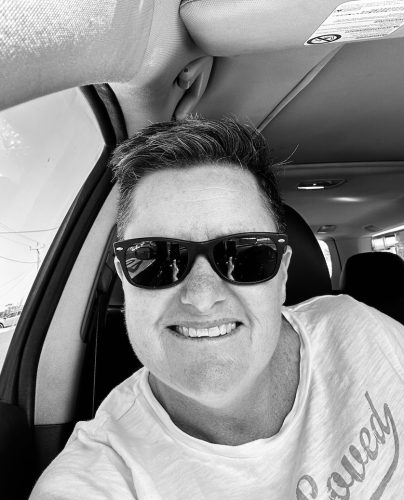
If you saw me on the street, you’d probably clock me as queer within about two seconds. My partner? Not a chance. We can walk into the exact same restaurant, in the exact same country, and be read completely differently — and that one detail has shaped almost every trip we’ve planned since we got together.
That’s the part of LGBTQ+ travel safety nobody puts on a postcard: there’s no single set of rules, because we don’t all move through the world the same way. What follows is everything we’ve learned about planning trips that are genuinely safe and genuinely fun — because you deserve both, not just one.
Real talk: we believe everyone should get to travel, no matter who you are or who you love. But loving someone in public isn’t a requirement — especially somewhere it isn’t safe to. If you’re unsure of the culture you’re in, skip the hand-holding and the goodbye kiss at the gate. No one has to know anything about you and your partner that you don’t choose to share. You’re just two people exploring a new place, and that’s enough.
Ready for your next adventure?
Discover places to stay, flights and more with Expedia. Your next getaway could be closer than you think. 🌈
Explore Expedia → Affiliate link — Q Travel Blog may earn a commission from qualifying bookings.How We Planned Our Own Queer-Safe Europe Trip
When we mapped out our family trip through Europe, safety for a queer couple was the first filter every destination had to pass — before budget, before bucket-list sights, before any of it. We break down exactly how we picked our route, and where we’d think twice about going back, in our post on planning five countries in six weeks. Whether you’re headed somewhere famously welcoming or somewhere far less charted, the planning process below is the one we use every single time.
1. Choosing LGBTQ+-Friendly Destinations
The first real decision is picking a destination that matches your comfort and safety threshold — because that threshold is personal, and it’s allowed to change from trip to trip. Some cities and countries have built genuinely inclusive reputations:
- Western Europe: The Netherlands, Germany, and Spain have long led on LGBTQ+ rights, with Amsterdam, Berlin, and Madrid offering some of the most vibrant queer scenes in the world.
- North America: New York, San Francisco, and Toronto remain hubs for LGBTQ+ culture, with established communities, Pride events, and safe spaces on nearly every corner.
- Oceania: Sydney and Melbourne are known for their inclusivity — Sydney’s Mardi Gras is one of the largest Pride festivals on the planet.
- South America: Argentina and Uruguay stand out for strong legal protections, with Buenos Aires and Montevideo both genuinely welcoming cities to visit.
That said, plenty of us want to explore places that don’t make the “friendliest” lists — parts of Africa, Asia, and the Middle East included. If you’re eyeing a destination with weak or nonexistent legal protections, that’s not a dealbreaker, but it does mean doing your homework first. Get familiar with the local culture and laws before you book anything.
A genuinely useful resource here is Asher & Lyric’s LGBTQ+ travel safety index, which ranks 203 countries for queer travelers — do yourself a favour and look up anywhere you’re unsure about. They’ve also put together a global trans rights index covering those same 203 countries. Be aware, and be informed.
2. Know the Laws — and the Vibe — Before You Go
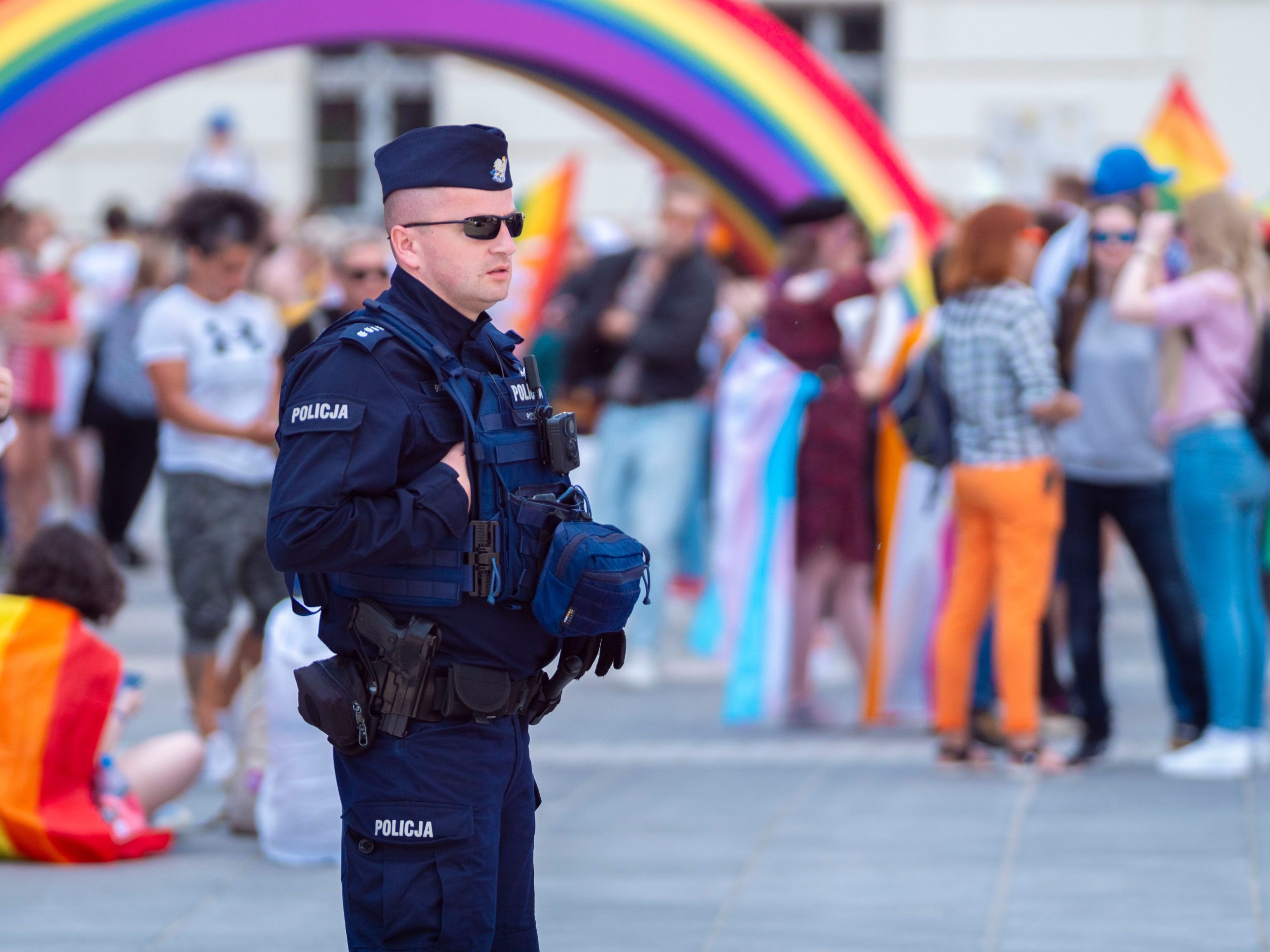
Before you book a flight, dig into both the legal reality and the social attitude toward LGBTQ+ people in your destination — because they’re not always the same thing. Some countries protect queer rights on paper but feel chilly in practice; others have outdated laws but a surprisingly warm local community. This is core to LGBTQ+ travel safety: understanding not just what’s legal, but what’s actually lived.
Some places still criminalize same-sex relationships or transgender identities outright. That doesn’t automatically mean you should cross them off your list — it means going in with your eyes open. ILGA World and Equaldex both offer detailed, country-by-country breakdowns of LGBTQ+ law and social climate, and queer travel forums are gold for hearing what a place is actually like on the ground, not just what the law says.
It’s also worth thinking honestly about how visible you want to be. In places with strict anti-LGBTQ+ laws, public affection or gender expression that doesn’t match local norms can draw attention you don’t want. Dialing it back for a few weeks isn’t giving anything up — it’s a strategy, and a smart one.
3. Travel Insurance and Health Considerations
Travel insurance is non-negotiable for any trip, but for LGBTQ+ travelers it’s worth reading the fine print twice. Some policies quietly exclude gender-affirming care, hormone replacement therapy, or other needs specific to trans travelers — so either confirm your coverage in writing or look specifically for LGBTQ+-inclusive travel insurance.
If you’re on any ongoing medication — PrEP, hormone therapy, or anything else — pack enough to comfortably cover your entire trip, plus a buffer. Keep everything in its original packaging with a doctor’s note on hand, since some countries have surprisingly strict rules around specific medications. A five-minute search before you fly can save you a very stressful conversation at customs.
For longer trips, it’s also worth scoping out LGBTQ+-friendly healthcare in advance — a clinic or hospital you already know is inclusive is one less thing to worry about if you need it.
4. Booking LGBTQ+-Friendly Accommodation
Where you stay shapes how a trip feels, full stop. Plenty of major cities now have LGBTQ+-friendly hotels, resorts, and B&Bs, and sites like Misterbnb and Purple Roofs specialize in exactly that, letting you filter for safe, welcoming options from the start.
Sticking with Airbnb or Booking.com instead? Reviews are your best friend — look for other queer guests mentioning a warm welcome, and don’t be shy about messaging a host directly if you’re unsure. Most hosts who are genuinely LGBTQ+-friendly will say so plainly when asked.
5. Packing Smart as an LGBTQ+ Traveler
Packing always comes with its own low-grade stress, and there are a few extra things worth thinking through as a queer traveler:
- Documents: Make sure everything is current and reflects your identity, especially if you’re transgender or non-binary — passport and visa rules vary a lot by country. Carrying an extra doctor’s note or updated ID can smooth over problems at border crossings.
- Medication and gender-affirming items: Bring your full supply of medication with prescriptions and doctor’s notes, as mentioned above. If you use binders, prosthetics, or other gender-affirming products, pack them thoughtfully and think ahead about how you’ll handle airport security screening, which can be invasive or uncomfortable for trans and gender-nonconforming travelers.
- Clothing: In more conservative destinations, it can be worth swapping your usual wardrobe for something less attention-grabbing or more gender-neutral — not because you should have to, but because blending in can genuinely keep you safer.
6. Finding Your People: LGBTQ+ Community Abroad
Travel is as much about the people as the places, and plugging into the local LGBTQ+ community can completely change a trip. Most cities have queer bars, clubs, community centres, and events that double as hubs of culture, activism, and celebration — a way to see a destination through a completely different lens.
Apps like Her, Grindr, and PlanetRomeo often list local events alongside their usual functions, and Reddit threads or local Facebook groups are worth a scroll before you even land — you’d be surprised how many people are happy to point a visiting queer traveler toward the right bar.
7. Staying Safe on the Road
Travel is meant to be an adventure, but safety still comes first, especially for those of us who are visibly queer or transgender in places where that visibility carries risk. Be smart, be infromed, be prepared.
Quick tips for staying safe:
- Stay aware of your surroundings, and read the room before showing anything that might mark you out in a less accepting area.
- Share your itinerary with someone back home, and agree on a check-in plan with your partner if you’re traveling together.
- Look up local LGBTQ+ organizations before you go — they’re often the fastest, most reliable source of support if something goes sideways.
The Bottom Line - Be Prepared.
So when planning your next trip as an LGBTQ+ traveler take a bit more time to plan and don’t just pack a suitcase. Be informed so you can make informed decisions. Choose destinations that match your comfort level, do your homework on local laws and attitudes, sort out insurance and health needs, and book accommodation where you know you’re welcome.
Do this, and you’ve cleared the way for the actual point of travel: new places, new people, and memories that are yours to keep.
Safe travels — and if this guide helped you plan your next trip, save it, share it with your travel buddy, and let us know where you’re headed in the comments.
Thanks for reading if you got this far, you’re the best.
Be safe, have fun and enjoy the experience.
Rae